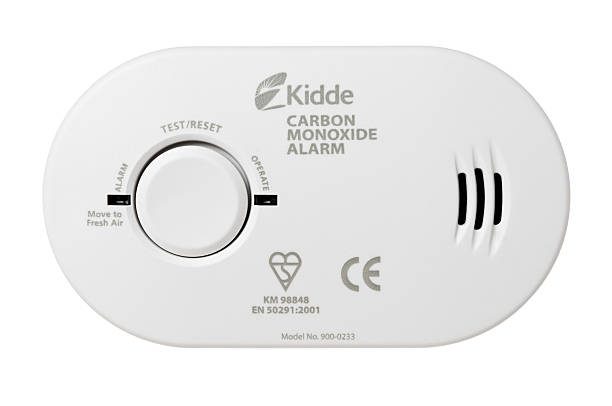
Effective January 1st, 2026, the Ontario Fire Code has been updated to strengthen safety and reduce the risk of carbon monoxide poisoning across the province. These changes expand where carbon monoxide alarms must be installed in homes and residential buildings.
Keeping buildings safe goes beyond fire protection. In Ontario, carbon monoxide safety is a legal requirement under the Ontario Fire Code, which mandates the installation of carbon monoxide alarms in specific types of residential and mixed-use buildings.
Whats New?
Under the updated Ontario Fire Code (O.Reg.213/07), any residence that contains fuel-burning appliances, a fireplace, attached garage, or receives heat from a fuel-burning unit exterior to the dwelling unit must have properly installed and functioning carbon monoxide alarms.
Where Carbon Monoxide Alarms Must Be Installed?
For a single-family homes and townhouses:
- A working CO alarm must be installed on every storey of the home – even on levels without bedrooms
- CO alarms must be located adjacent to sleeping areas (e.g. hallways near bedrooms)
For multi-unit residential buildings (e.g. condos, apartments, duplexes)
- CO alarms are required in individual units that contain fuel-burning appliances, are beside/above/below a garage or boiler room, or recieve heat from an external fuel-burning source
- Alarms may also be required in service rooms and common areas that contain fuel-burning equipment
These expanded requirements are designed to detect carbon monoxide before residents are exposed to dangerous levels of gas which is life threatening.
Who Is Responsible?
- Homeowners must ensure their properties meet the new requirements
- Landlords and property managers are responsible for installing and maintaining alarms in rental units and common areas
Why This Matters?
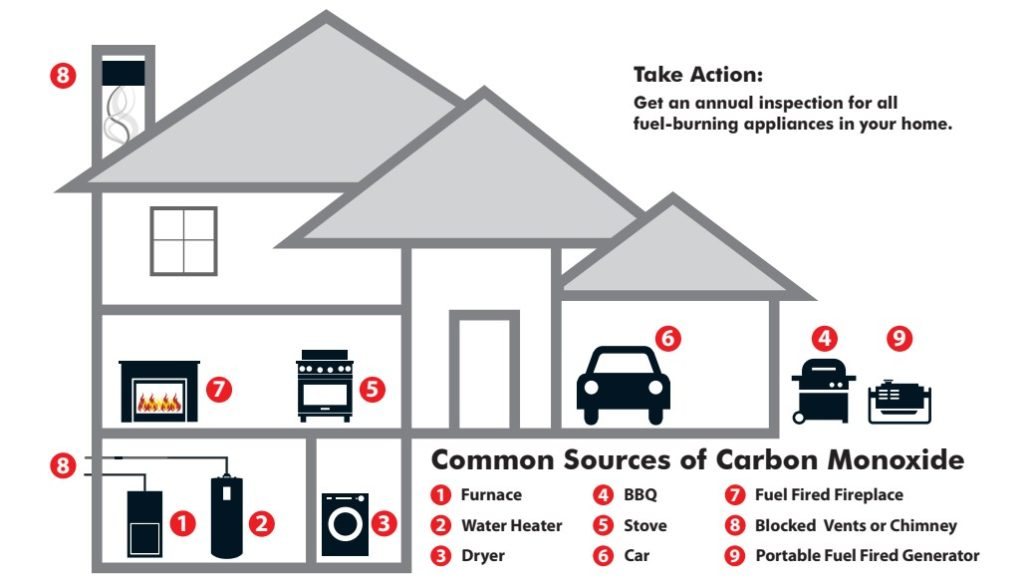
Carbon monoxide is an odourless, colourless, and tasteless gas that can cause serious ilness or death in just minutes – and it cannot be detected without an alarm. Even small leaks from furnaces, gas stoves, fireplaces, water heaters, and attached garages pose a risk to your household.
Tips to Stay Safe & Compliant
- Test CO alarms monthly and replace batteries as needed
- Choose CO alarms certified to recognized standards (e.g. CAS, ULC, or ETL)
- Keep vents, chimneys, and exhaust pipes clear of snow, ice and debris
- Have fuel-burning appliances inspected annual by a qualified technician
Need More Information?
Visit your local fire department or check Ontario’s official Fire Code resources for detailed guidance on compliance and best practices.
At Co-operative Fire Protection, the safety or our clients and their buildings is always our top priority. If you have questions about carbon monoxide alarm requirements or would like assistance ensuring your property meets current Ontario Fire Code, our team is here to help.
Thank you for choosing us as your trusted fire protection provider.